New York State says Flower City Produce faces permanent FreshConnect disqualification
Angela has over 15 years of experience in local journalism, having previously worked for the Democrat and Chronicle. She holds a Master's degree in Journalism from Northwestern University and has reported extensively on public policy and local government in Rochester. Her dedication to transparency and accountability has won her multiple awards.
More from Angela →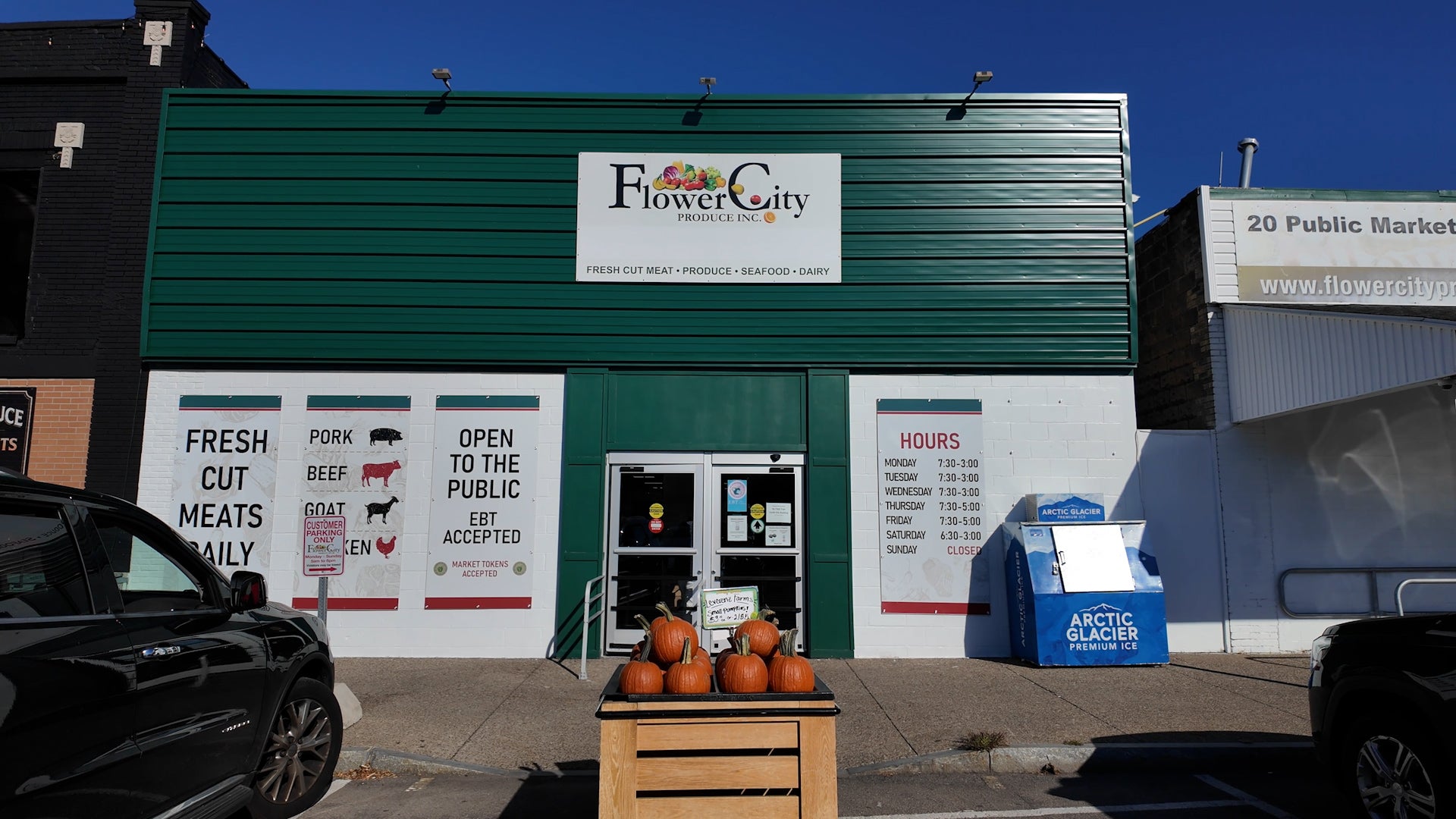
As the sun began to rise over the bustling streets of Rochester, the aroma of fresh produce wafted through the air, drawing in loyal customers to Flower City Produce. For many in this neighborhood, the market is not just a place to buy fruits and vegetables; it’s a lifeline. Yet, this vibrant community hub now faces an uncertain future after New York State announced that Flower City Produce could be permanently disqualified from the FreshConnect food voucher program. This decision has left many residents worried about their access to fresh food in a city already grappling with food insecurity.
What Happened
The New York State Department of Health communicated its decision to Flower City Produce via a formal letter, detailing five specific violations that led to the proposed permanent disqualification from the FreshConnect program. This program, which aims to increase access to fresh and nutritious food for low-income families, is crucial for neighborhoods like this one, often labeled as food deserts. Sam Lentine Jr., a member of the family that owns Flower City Produce, expressed deep concern about the impact of this decision on the community. “I think people are going to instantly suffer from this decision that the state is making directly,” he stated, highlighting the immediate repercussions for local families who rely on the market for affordable produce.
The violations cited by the state included issues related to the handling of food vouchers and compliance with program regulations. While the specifics of these violations have not been fully disclosed, the implications are clear: without access to FreshConnect, many families may find themselves struggling to afford fresh fruits and vegetables, pushing them further into reliance on less nutritious, processed foods.
Community Reaction
The announcement of Flower City Produce's potential disqualification has sparked a wave of concern among local residents and advocates for food justice. Many community members gathered at the market, voicing their worries about losing access to a trusted source of fresh food. “This market is a cornerstone for us,” said local resident Maria Gonzalez. “Without it, we will have to travel far just to find fresh food, and not everyone has that option.”
Community organizations have also stepped in to express their dismay. The Rochester Food Justice Coalition, which advocates for equitable access to healthy food, has rallied support for Flower City Produce. They argue that disqualifying the market from the FreshConnect program would exacerbate existing health disparities in the area. “We cannot afford to lose any more resources that provide healthy food options to our community,” said coalition spokesperson James Wilson.
The emotional weight of this decision is palpable, especially for families who have built relationships with the vendors at Flower City Produce. The market not only provides food but also fosters a sense of community and connection. “We come here not just for the food, but for the people,” said longtime customer Ellen Thompson. “It's like a family here, and we need to keep it together.”
Understanding Food Deserts
Food deserts, defined as areas with limited access to affordable and nutritious food, are a growing concern in urban settings like Rochester. According to the USDA on food deserts, food deserts often correlate with higher rates of diet-related diseases such as obesity and diabetes. The loss of Flower City Produce would not only strip the community of a vital resource but could also contribute to worsening health outcomes.
The FreshConnect program was designed to combat these very issues by providing food vouchers to low-income individuals, allowing them to purchase fresh produce at local markets. In Rochester, where many neighborhoods lack large grocery stores, programs like FreshConnect are essential for ensuring that families have access to healthy options. The potential disqualification of Flower City Produce raises critical questions about the future of food access in the city and the effectiveness of state programs designed to support vulnerable populations.
The Impact on Families
The implications of this decision extend beyond the immediate loss of access to fresh food. For families like the Lentines, who have operated Flower City Produce for years, the emotional toll is significant. “We’ve put our heart and soul into this place,” Sam Lentine Jr. shared. “To think that it could all be taken away over some paperwork is heartbreaking.”
Many families rely on the affordability of the market to make ends meet. With the rising cost of living and inflation affecting grocery prices, losing a resource like Flower City Produce could force families to make difficult choices between buying fresh food or other necessities. “It’s not just about food; it’s about survival,” said local mother of three, Lisa Martinez. “We need places like this to help us get by.”
What's Next for Flower City Produce?
As the community rallies around Flower City Produce, the future remains uncertain. The Lentine family plans to appeal the state’s decision and is actively working to address the violations cited in the letter. “We are committed to making things right,” said Lentine. “We want to continue serving our community and providing healthy food options for everyone.”
Meanwhile, local advocates are mobilizing to support the market during this challenging time. Fundraising efforts are underway to help cover any potential legal fees associated with the appeal process. Community members are also encouraged to write letters of support to the state, emphasizing the importance of Flower City Produce in their lives.
In the coming weeks, the Lentine family hopes to meet with state officials to discuss the situation further. “We believe in the power of community,” Sam Lentine Jr. stated. “We’re not giving up without a fight.”
Broader Implications for Food Access
The outcome of this situation will not only determine the fate of Flower City Produce but will also serve as a litmus test for how seriously the state takes food access issues in urban areas. Advocates argue that maintaining local markets like Flower City Produce is essential not only for food access but also for economic sustainability within the community. The market employs local residents and supports local farmers, creating a ripple effect that benefits the entire neighborhood.
Furthermore, the potential loss of Flower City Produce could set a concerning precedent for other small businesses in similar situations. If the state does not adequately support these markets, it could lead to a chilling effect where other vendors may hesitate to participate in programs like FreshConnect, fearing similar repercussions. This could ultimately undermine the very goals of the program, which aims to enhance food security and promote healthy eating.
As residents await news, the community stands united, ready to support a market that has become a symbol of resilience and hope. Local leaders are already discussing potential strategies to advocate for better support systems for food vendors and to ensure that such disqualifications do not happen in the future. The fight for food access in Rochester is far from over, and the community's response to this challenge could inspire broader movements across the state.