The Orionid meteor shower is coming. Here’s how and when to watch
Lila is a graduate of Syracuse University with a degree in Sports Management. She has covered high school and collegiate athletics for the Rochester Business Journal for five years and is passionate about highlighting the stories behind the stats.
More from Lila →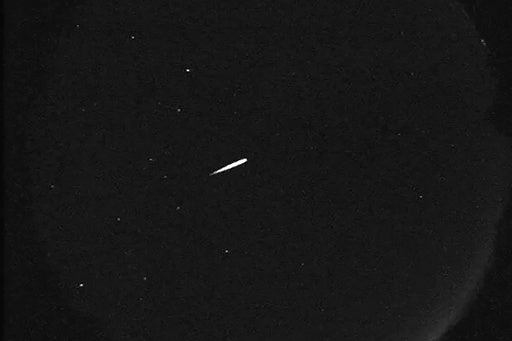
```json { "content": "
As the night sky prepares to light up with the dazzling Orionid meteor shower, families across Rochester are gearing up for a celestial spectacle that promises to ignite wonder and awe. Imagine gathering in your backyard, wrapped in blankets, perhaps with steaming mugs of hot cocoa, eyes turned skyward, waiting for those fleeting streaks of light to dance across the universe. This week, our community has a unique opportunity to witness one of nature's most breathtaking displays as the Orionid meteor shower, born from the remnants of the famed Halley’s Comet, reaches its peak. While a luminous moon will challenge visibility, the anticipation of this cosmic show is already building across the City of Rochester and Monroe County.
A Celestial Spectacle for Rochester Families
The Orionid meteor shower is set to peak from Wednesday night into Thursday morning, offering sky-gazers a chance to see up to 20 meteors per hour under ideal viewing conditions. While the peak is a specific window, these celestial visitors are actually visible for several weeks both before and after this prime viewing period, giving everyone ample opportunity to catch a glimpse. For those willing to brave the late hours, the best viewing will be after midnight, accessible from both the Northern and Southern hemispheres.
Named for the constellation Orion, from which they appear to radiate, these meteors can actually be seen streaking across any part of the night sky. The Orionids are particularly renowned for their brilliance and speed, often leaving behind glowing trains of incandescent debris that can linger for several seconds after the meteor itself has vanished. This ephemeral glow adds an extra layer of magic to an already captivating event, making each sighting a truly memorable experience.
This annual display is a direct result of Earth passing through the debris trail left by Halley’s Comet, officially designated 1P/Halley. This iconic comet, which graces our inner solar system every 75 to 76 years, leaves a dusty path in its wake. When our planet intersects this trail, tiny particles of comet dust — some no larger than a grain of sand — enter Earth’s atmosphere at an astonishing speed of 148,000 miles per hour (66 kilometers per second), burning up and creating the luminous streaks we call meteors.
Understanding the Orionids: A Comet's Legacy
Halley’s Comet is a prolific celestial traveler, responsible for not one, but two major meteor showers each year. Besides the Orionids in October, its debris also gives us the Eta Aquariids, which light up the skies every May. This dual legacy underscores the enduring impact of this single, magnificent comet on our planet's celestial calendar. For those interested in the science behind these phenomena, institutions like the University of Rochester's Department of Physics and Astronomy and the Rochester Institute of Technology's Physics and Astronomy Department offer invaluable insights into the wonders of our universe.
The characteristics of the Orionids make them a favorite among amateur astronomers and casual observers alike. As NASA aptly describes, “The Orionids are known for being bright and fast meteors.” This speed contributes to their dramatic appearance, often creating long, luminous trails. NASA further elaborates, stating, “Orionids are also known for leaving glowing trains — incandescent bits of debris that can last for several seconds after the meteor has passed.” These lingering trails are a signature feature, adding to the shower's allure.
While the prospect of witnessing up to 20 meteors per hour is exciting, the American Meteor Society (AMS) provides a realistic expectation. According to the AMS, “The Orionids are a medium strength shower that can produce 10-20 meteors per hour at their peak.” This range accounts for varying conditions, reminding us that patience and optimal viewing environments are key to a successful stargazing experience. More in-depth information about the Orionids can be found on NASA's dedicated page.
Navigating the Moonlight Challenge
This year, stargazers will contend with a significant celestial companion: a waning gibbous moon, which will be approximately 80% illuminated. Its bright presence will undoubtedly dim the visibility of fainter meteors, posing a challenge for observers. The moon is expected to set late, around 3 to 4 AM local time, meaning the best viewing opportunities will arise in the pre-dawn hours, after the moon has dipped below the horizon, allowing the true darkness of the night sky to emerge.
Finding Your Perfect Stargazing Spot
To maximize your chances of seeing the Orionids, finding a dark location away from city lights is paramount. Our region is fortunate to have numerous parks and open spaces that offer excellent stargazing opportunities. The Monroe County Parks Department manages several beautiful locations, and the NYS Parks, Recreation and Historic Preservation - Genesee Region also lists state parks that could provide darker skies. Once you've found your spot, lie on your back, look up, and allow at least 30 minutes for your eyes to fully adjust to the darkness. It’s crucial to avoid looking at phones or other bright lights during this adjustment period, as even a brief glance can reset your night vision.
A Community United Under the Stars
Beyond the scientific marvel, the Orionid meteor shower offers a profound opportunity for community connection. Local astronomy clubs, such as the Rochester Academy of Science - Astronomy Section, often organize public viewing events, bringing neighbors together to share in the wonder. These gatherings foster a sense of collective curiosity and shared memory, strengthening the bonds that make our community so special. It's a chance for families, friends, and neighbors to step away from daily routines and marvel at the grandeur of creation together.
In a world often filled with distractions, these moments of shared wonder under the vast expanse of the night sky are precious. They remind us of the simple yet profound joy of being together, creating lasting memories that transcend the fleeting nature of the meteors themselves. For many families, these stargazing nights become cherished traditions, reinforcing the importance of spending quality time together and fostering a sense of awe in the natural world. It’s a beautiful reflection of the enduring strength of committed families and the values we hold dear in our community.
As the last meteor fades into the horizon, hearts filled with wonder, families leave with a renewed sense of connection to each other and the vast, mysterious universe above. This celestial event is more than just a scientific phenomenon; it's an invitation to pause, reflect, and connect. And for those who miss this week's peak, another major meteor shower, the Leonids, will grace our skies in mid-November, offering yet another chance to look up and be inspired by the cosmic dance.
", "imageAlt": "Family bundled in blankets watching Orionid meteor shower under a clear, star-filled night sky in Rochester, NY", "imageAlts": [ "A family silhouetted against a vibrant, star-filled night sky, pointing up at a bright meteor streak during the Orionid shower.", "Illustration of Halley's Comet with its distinctive tail, showing its orbit and debris trail in space.", "A group of people gathered in a dark park, looking up at the night sky with telescopes and binoculars, illuminated by faint starlight." ], "imageSearchTerms": [ "Orionid meteor shower family viewing Rochester", "Halley's Comet debris trail space", "Stargazing community event dark sky park" ], "metaDescription": "Rochester families prepare for the Orionid meteor shower, a dazzling display from Halley's Comet. Learn when and how to watch this celestial event.", "externalLinks": [ { "url": "https://www.cityofrochester.gov/", "text": "City of Rochester" }, { "url": "https://www.monroecounty.gov/", "text": "Monroe County" }, { "url": "https://www.rochester.edu/college/physics/astronomy/", "text": "University of Rochester's Department of Physics and Astronomy" }, { "url": "https://www.rit.edu/science/department-physics-and-astronomy", "text": "Rochester Institute of Technology's Physics and Astronomy Department" }, { "url": "https://www.nasa.gov/", "text": "NASA" }, { "url": "https://www.amsmeteors.org/meteor-showers/meteor-shower-calendar/", "text": "AMS" }, { "url": "https://solarsystem.nasa.gov/aster